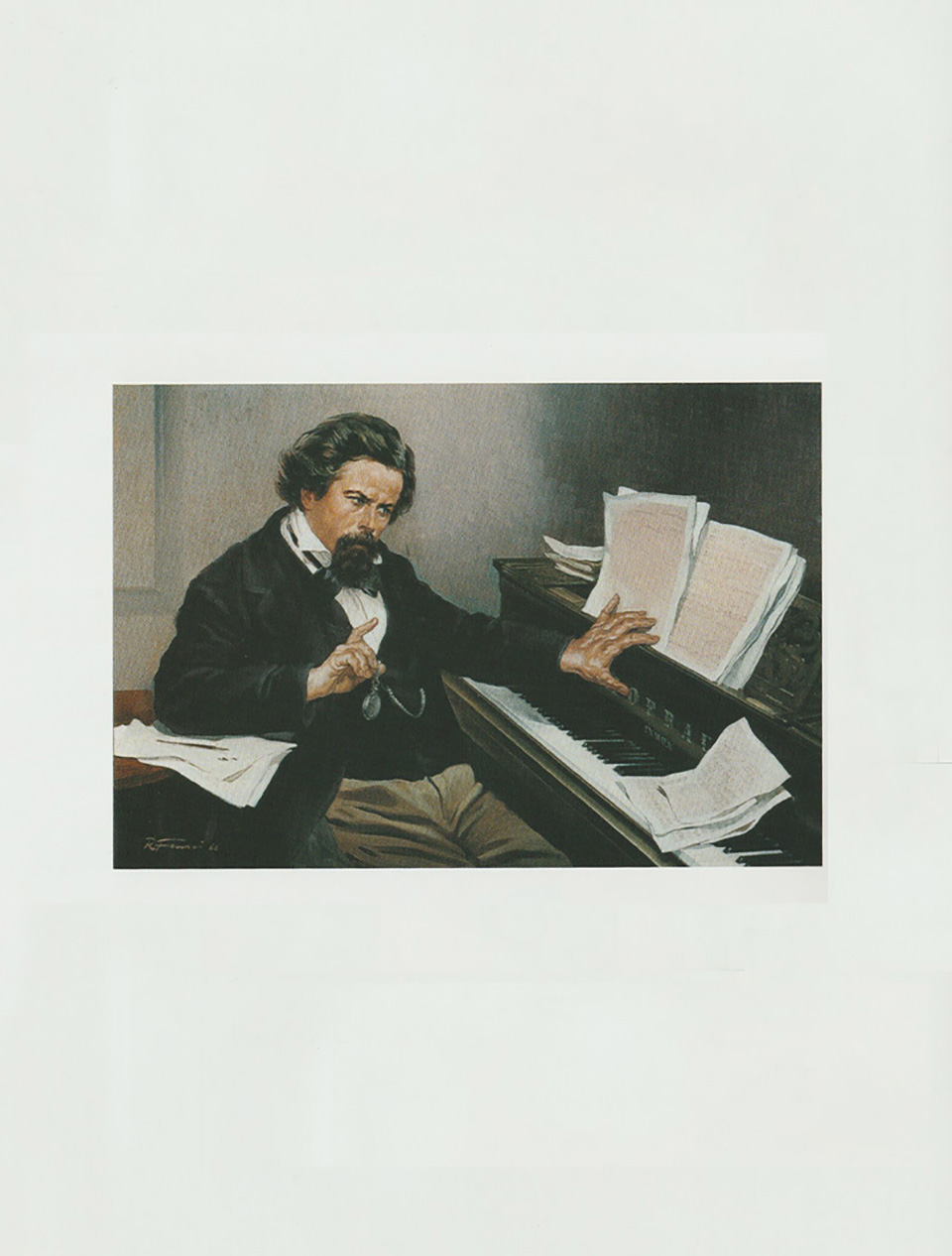

Amilcare Ponchielli was born in Paderno (Cremona) on August 31, 1834. Showing remarkable musical talent at an early age, he studied at the Milan Conservatory. After graduating in 1854, he returned to Cremona, where he held several positions: organist, conductor, assistant maestro, and bandmaster of the municipal bands of Piacenza (1861–1864) and later Cremona (1864–1873). At the same time, he pursued his ambition to compose for the opera stage, producing a series of melodramas: I Promessi Sposi (1856), Bertrando dal Bormio (1858), La Savojarda (1860), and Roderigo Re dei Goti (1863). However, it was only with the revised version of I Promessi Sposi, performed in Milan in 1872, that Ponchielli finally achieved success. Supported by the publisher Ricordi, he made his debut at La Scala in 1874 with I Lituani, and reached definitive recognition in 1876 with La Gioconda, the masterpiece for which he is still internationally renowned. Later came Il Figliuol Prodigo (1879) and Marion Delorme (1885), his final opera, written shortly before his premature death. This work already pointed toward developments in Italian opera later realized by Mascagni and Puccini—both of whom were among his students at the Milan Conservatory. In the last years of his life, Ponchielli combined his operatic career with his role as maestro di cappella at the Basilica of Santa Maria Maggiore in Bergamo, where he composed several notable yet still relatively little-known works of sacred music.
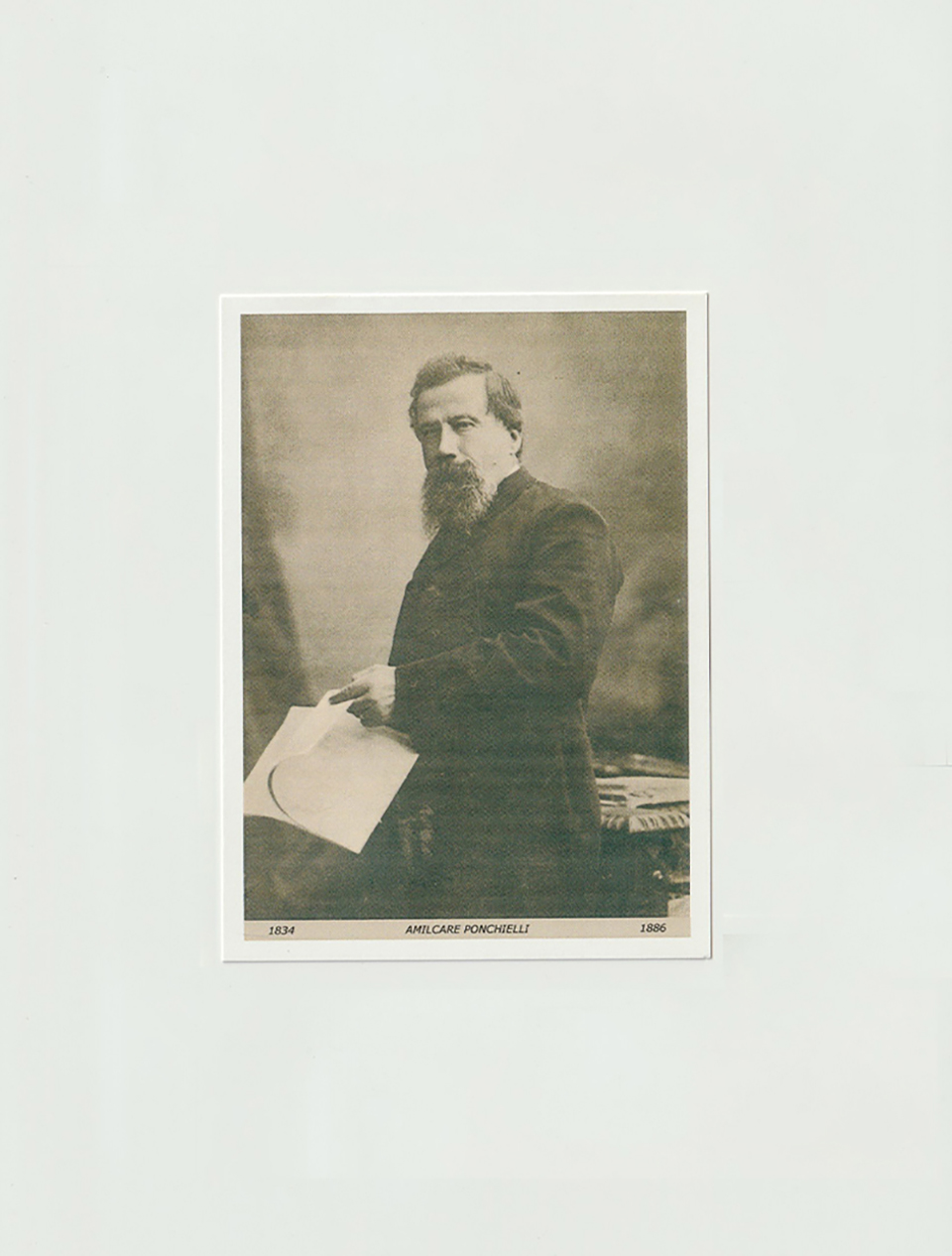
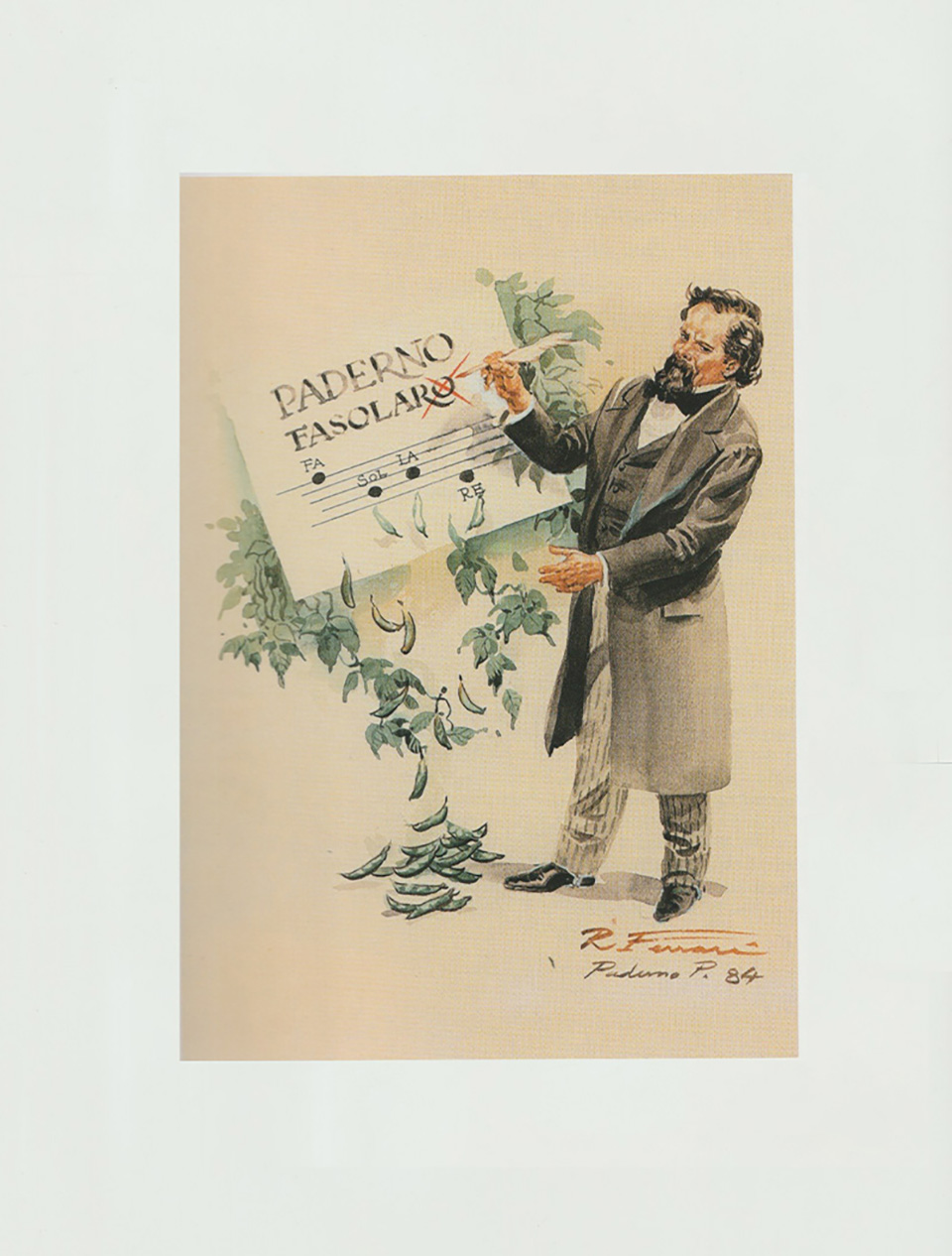
The figure of Amilcare Ponchielli holds a place of great importance in the history of Italian opera in the latter half of the nineteenth century. He entered the world of melodrama at a time when the creative force of Giuseppe Verdi seemed to have somewhat waned, and Italian culture was searching for a successor capable of maintaining the prestige of its opera tradition. The publisher Giulio Ricordi recognized in Ponchielli a possible heir to Verdi’s legacy—and indeed he proved to be so, not only through his operatic works, which respected Italian tradition while also embracing innovative impulses, but also through his role as a teacher and mentor to a new generation of Italian composers, particularly Mascagni and Puccini, who brought the transition of musical theatre after Verdi’s era to completion. Among Ponchielli’s works, La Gioconda, as mentioned, has always remained in the repertoire of theatres around the world; in recent years, however, efforts have been made to revive other works long considered “minor,” due to their limited presence in modern opera seasons, though they were received with equal enthusiasm by audiences of the time.
Beyond his achievements as an opera composer, Ponchielli was also active in other musical genres, which have often remained overshadowed by his fame in the operatic field. His sacred music, in particular, deserves special emphasis, as it displays the same breadth and compositional mastery found in his operas. Likewise noteworthy is his extensive output of vocal chamber music, as well as instrumental works, both symphonic and chamber. More recently, his piano and organ music has also begun to receive the recognition it deserves and is undergoing a welcome reassessment. The most substantial genre in quantitative terms—and, within its field, one comparable in importance to his operatic production—is his music for wind band. For more than ten years Ponchielli served as director of the bands of Piacenza and later Cremona. During this long period he composed a very large number of works (over 200), covering all the forms required at the time: marches, dance pieces, symphonic works, and operatic paraphrases. His mastery in writing for wind band was temporarily overshadowed by the significant changes that took place in the band world at the beginning of the twentieth century: changes in instrumentation as well as in compositional practice quickly rendered earlier scores obsolete. Today, however, Ponchielli’s band music is the subject of renewed attention and reassessment, both through historical study of the original scores written for the ensembles and performance practices of the time, and through the possibility of adapting them for modern wind bands, whose repertoire would greatly benefit from the inclusion of such high-quality works. For these reasons, the initiatives undertaken in recent years—aimed at reaffirming the value of Ponchielli’s entire body of work in its many different forms—are especially welcome. Beyond the operas, whose major titles have never been forgotten, even the lesser-known works deserve renewed attention and proper rediscovery.